
Breast Augmentation
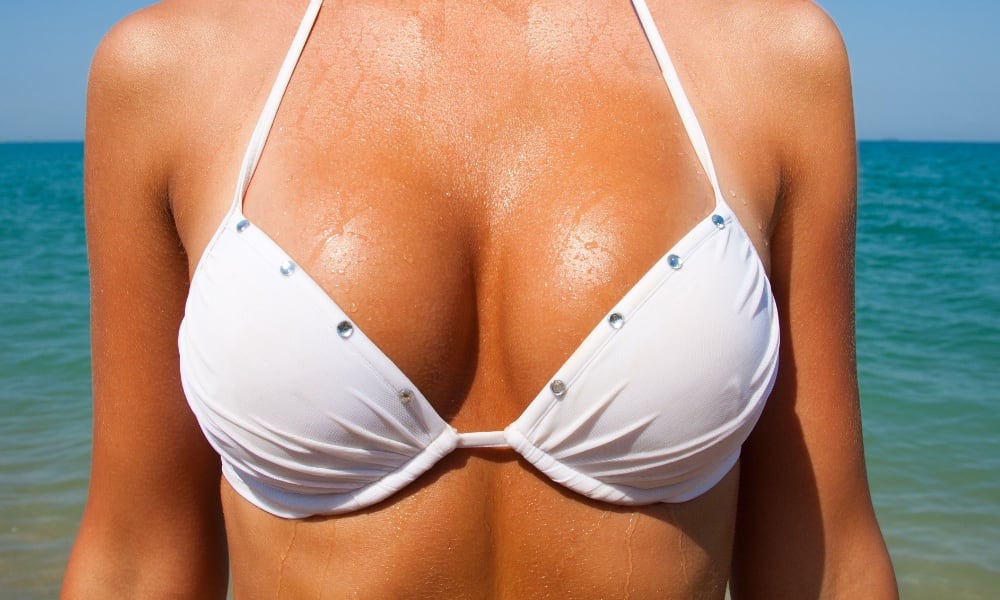 Breast augmentation is designed to enhance the fullness and contours of the breasts by placing saline or silicone breast implants. This not only adds volume and enlarges the breast size, it can also yield a very natural-looking improvement in your silhouette. Many factors need to be considered prior to surgery, including the size and type of implant, the best incision location, and whether the implant should be placed above or below the chest muscle. Plastic surgeon Wesley Schooler, MD has the experience and skill to help navigate patients through the entire process and achieve their desired contours.
What is Breast Augmentation?
Breast augmentation, one of our signature procedures, is performed at the Santa Barbara Plastic Surgery Center for patients who desire a fuller, more attractive figure. We have helped many women from Santa Barbara, Ventura, Bakersfield, California, Hawaii, Canada, Mexico, and even Europe enhance their beauty and femininity with breast augmentation. Designed to increase a patient’s breast size, breast augmentation is completely personalized for each individual. Before the procedure, the most ideal size, type, and shape of implant is decided along with the best locations for the incision and implant pocket. The breast augmentation process starts with a consultation, which will give you insight into how surgery will be performed and what to expect from the outcome.
Breast Augmentation Photo Gallery
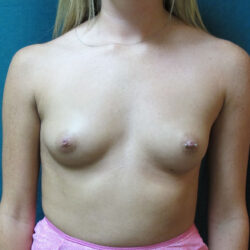
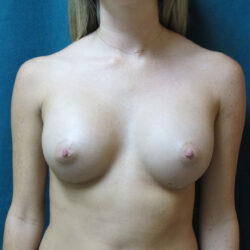
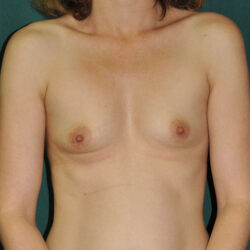
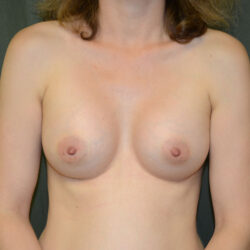
Explore Topics On This Page
- Breast Augmentation Benefits
- Breast Augmentation Candidates
- Types of Breast Implants
- Breast Implant Placement
- Breast Augmentation Incisions
- Breast Augmentation Procedure
- Breast Augmentation Recovery
- Breast Augmentation Results
- Breast Augmentation Scars
- Breast Augmentation Cost
- Breast Augmentation vs. Breast Lift
- Non-Surgical Breast Augmentation
- Complements to Breast Augmentation
- Breast Augmentation FAQs
What Improvements are Possible with Breast Augmentation?
Breast implants can give you the contours you’ve always desired or address aesthetic concerns commonly held by patients as they get older, such as lost volume or shape. In general, breast augmentation can enhance your silhouette by:
- Enlarging the breast size
- Enhancing fullness in the upper poles of the breasts
- Resolving asymmetry
- Improving the breast shape
- Firming the breasts
- Reconstructing the breasts after cancer removal surgery
The procedure is versatile enough to correct age-related changes in your breast contours, as well as changes that occur as the result of pregnancy or breastfeeding. If you’re seeking to restore your pre-baby body altogether, Dr. Schooler can also perform breast augmentation as part of a full Mommy Makeover. In any case, our team is committed to creating the best treatment plan for your unique needs and goals.
Breast Implant Placement
In general, your implants can be placed either over or under the pectoral (chest) muscles. Each location offers its own benefits and the best technique may depend on your lifestyle, body frame, and anatomical indicators. With the skill of an experienced plastic surgeon who can identify the most optimal positioning for your needs, both placement options can look natural and proportionate.
Under-the-Muscle Implant Placement (Submuscular)
Positioning the breast implant under the chest muscle can be the best approach for patients who have a naturally petite body frame and/or limited breast tissue to provide coverage for the implant. With submuscular placement, the overlying muscle is able to offer more support and reduce the risk of seeing or feeling the implant edges (rippling). Mammograms can also be more accurate, and capsular contracture — a well-known issue in which scar tissue forms and hardens around an implant — is typically less frequent with under-the-muscle placement. However, the recovery period after breast augmentation can also be relatively longer compared to a subglandular approach.
Over-the-Muscle Implant Placement (Subglandular)
With subglandular placement, the breast implant is positioned directly behind the breast tissue on top of the chest muscle. This often allows the breasts to heal faster — and with less post-operative discomfort — than the under-the-muscle technique. Breast implants also tend to be less affected by movement and physical activity when compared to submuscular placement, sometimes making this positioning ideal for weightlifters and bodybuilders. That said, there must be an adequate amount of existing breast tissue to provide coverage for the implants in order to attain a natural-looking result.
Where Will My Incisions Be Located?
With breast augmentation, the incisions used to place your implants can be located in one of three locations: around the areola, along the natural breast crease, or within a fold of the underarm. The technique employed during your surgery will depend on the type and size of implants chosen for your enhancement:
- Periareolar: Made along the natural anatomic transition between the areolas and breast skin
- Inframammary: Placed along the natural contour where the base of the breast meets the chest wall
- Transaxillary: Blends into a fold of the underarm
Most commonly, Dr. Schooler utilizes the periareolar or short-scar inframammary incisions to enhance the breasts. These incisions blend well into the natural contours of the breasts and can be ideal for a wide variety of implants. Plus, both incision options can be reused in the event that you decide to undergo a future breast surgery, such as breast revision or breast implant removal.
How is the Breast Augmentation Procedure Performed?
The breast augmentation procedure is performed at our fully-accredited outpatient surgery center. We have taken all precautions to ensure patient comfort and safety. A board-certified nurse or physician anesthesiologist is on hand to make sure patients are relaxed and feel no discomfort during treatment. Once the anesthesia has taken effect, Dr. Schooler will make an incision in a pre-determined location. The incisions are carefully placed so that scars will be difficult to see. Breast implants are then carefully positioned in pockets created beneath the breast tissue and, often, under the pectoralis (chest) muscle as well. Once the incisions are sutured and a compression garment is applied, breast augmentation surgery is complete. The entire procedure is usually completed in one to one and a half hours.
What is Recovery From Breast Augmentation Like?
Our doctor and staff are here to provide complete guidance and support throughout the recovery period. We will advise you on which steps to take to ensure you heal as quickly and comfortably as possible.
Patients should get plenty of rest in the days after breast augmentation. It’s important to avoid lifting, bending over, or raising the arms above the head. As part of our “Santa Barbara Experience,” we have arranged for our patients to receive discounts at area hotels so that they can rest and recover in our beautiful beachside town. Within a few days of the breast augmentation procedure, we have patients return to our offices for a follow-up appointment, where we replace surgical bandages with a light bra which we provide for you. Patients can generally return to work within three to seven days of their breast augmentation surgery, depending on their comfort levels. Post-operative pain is very manageable and improves significantly just a few days after surgery.
How Long Do Breast Implants Last?
The lifespan of a breast implant is different for each patient and largely depends on the type of implant, as well as the implant manufacturer. In some cases, breast implants can outlast decades of use, but it is not uncommon for complications to arise (i.e. implant leaking, rupture, capsular contracture.) after a certain number of years. The most important factor with regard to the longevity of breast implants is the ability to recognize when they need replacing. With saline implants, patients will typically experience a noticeable deflation in size or shape when there is a leak or rupture. In contrast, implants made from silicone can often keep their shape in the event of a complication — especially newer form-stable (“gummy bear”) implants composed of cohesive gel — but some surface abnormalities may still be apparent.
Ultimately, breast implants are usually very long-lasting, but it is important to be vigilant about any changes you may experience in the shape or dimensions of the breasts. If you have any concerns, or if you would simply like to upgrade to a different size or type of implant, Dr. Schooler also performs breast revision surgery to replace or remove older breast implants.
Will I Have Visible Breast Augmentation Scars?
Every cosmetic procedure will leave scarring to some degree, but scars from breast augmentation are typically well-concealed underneath any bra or bikini top. For patients who received the transaxillary incision, the breasts should be left completely unscarred. The pattern of your incisions will determine how your breast augmentation scars appear, and Dr. Schooler can show you what you can expect during a personal consultation. Our before-and-after photos may also provide you with a good understanding of how inconspicuous scars can be after breast augmentation. With proper wound care measures, which will be thoroughly explained in your post-operative instructions, any scarring can further lighten and fade to some extent over time.
Breast Augmentation vs. Breast Lift
As two of the most popular cosmetic procedures performed, breast augmentation and mastopexy can be excellent options to rejuvenate the breasts. While both surgeries can offer positive changes to the breast shape, each procedure is considered for different reasons. A breast augmentation is ideal for patients who want additional breast volume or a larger breast size. Implants alone cannot significantly improve breast sag or ptosis, so women who are primarily concerned about drooping breast tissue may benefit more from a breast lift. In contrast, a mastopexy can make the breasts firmer and more youthful, but will not add breast volume or enhance fullness.
Is Non-Surgical Breast Augmentation Possible?
No, significantly enlarging breast volume is not possible without surgery. Through decades of research and clinical trials, breast implants have become an effective, customizable solution to rejuvenate the breast contours. Unfortunately, there is currently no minimally invasive technology or non-surgical treatment that can replicate the types of results possible with breast augmentation. That said, there are a number of personalized procedures available to improve the shape and contours of your breasts, including mastopexy and a breast lift with implants. Dr. Schooler can listen to your concerns and help you determine the most optimal treatment to achieve your goals, but surgery is necessary to attain meaningful and long-lasting breast enhancement. If desired, our office can speak with you more about whether you’re a good candidate for cosmetic surgery after reviewing your medical history. In general, breast augmentation is most successful for individuals who are in good health and who have realistic expectations for the final results. The procedure is considered very safe and predictable for Santa Barbara patients who are under the care of a board-certified plastic surgeon.
Complements to Breast Augmentation
Breast augmentation is often paired with complementary procedures to further enhance the outcome and achieve a more dramatic transformation. If you have additional goals beyond enlarging your breast size, you may consider combining breast augmentation with the following options:
- Tummy tuck: Abdominoplasty may be beneficial if weight gain and/or pregnancy have caused your internal muscles to separate, often resulting in a bulging or hanging belly. A tummy tuck brings this musculature back to the midline, allowing a smoother, more contoured look.
- Liposuction: The removal of excess fat in the abdomen, hips, flanks, and back can typically complement the breast enlargement achieved with implants, potentially creating more of an “hourglass” figure for patients who desire it.
- Breast lift: Mastopexy is one of the most common procedures incorporated into breast augmentation, allowing women to correct sag and stretched breast tissue at the same time as their implant placement. In some cases, these procedures are performed at separate stages to ensure high-quality, long-term results.
- Mommy Makeover: While usually performed for mothers looking to regain their pre-pregnancy curves, a Mommy Makeover plan can be developed for any patient interested in multiple breast and body surgeries.
These procedures can accentuate your new breast contours by resculpting/rejuvenating areas of the body affected by pregnancy or age-related changes. Since many of our patients’ concerns don’t usually exist in isolation, a more extensive treatment plan can be a convenient way to improve multiple areas at once rather than pursuing each procedure separately.
Additional Breast Augmentation FAQs
What are the most common breast implant complications?
The most well-known complications associated with breast implants typically include implant rippling, rupture, and the formation of hard scar tissue. Rippling is characterized by the ability to see or feel the edges of an implant through the skin. This may occur if patients receive large implants while having relatively thin breast skin, but can often be corrected with techniques like fat transfer. Implant rupture occurs when there is a tear or break in your breast implants. This complication is exceedingly rare; however, a rupture may not be readily visible for patients who have silicone implants. For this reason, we encourage you to maintain regular medical check-ups and periodic MRIs to help ensure your implants are still in good condition. Capsular contracture, or the formation of hard scar tissue, may cause tightness, firmness, swelling, and even pain in the breasts. While some degree of scar tissue is usually no cause for concern, patients who experience hardness or tightness in their breasts should have their implants evaluated as soon as possible.
Can I breastfeed with breast implants?
It’s certainly possible to breastfeed with implants, but we highly recommend that patients interested in breast augmentation wait until after they have no future plans for pregnancy or nursing to undergo their procedure. From a cosmetic standpoint, having children can change your breast and body contours. This creates a risk of potentially altering the results of your breast enhancement, so it can be in your best interest to postpone breast augmentation until after your family is completed. It’s also important to note that not every woman can breastfeed to begin with, and surgery will not change the ability to nurse.
Will I have to replace my breast implants in the future?
In general, most patients don’t feel a need to replace their breast implants unless a complication arises, or unless they simply desire a new type, size, or shape of implant. Many women are able to enjoy their breast implants for an entire lifetime, but it’s not uncommon for patients to also want to upgrade their implants to another size or fill material. Implant technology is constantly evolving, so Dr. Schooler often speaks with individuals who seek to replace their older devices with newer implants in a breast revision procedure. Ultimately, our team encourages patients to remain vigilant to possible changes in the look or feel of their breasts. If there is no cause for concern, you likely do not need to replace your implants.
How should I sleep after breast augmentation?
Immediately after surgery, patients should sleep on their back and avoid resting on their sides or stomach. This is necessary during the initial healing process to allow your breast implants to “settle” properly. If you are prone to turning on your sides or stomach while asleep, pillows can be used to prop up the body and keep you in the appropriate sleeping position. Dr. Schooler will discuss this further with you in person and provide extensive post-operative instructions after your surgery.
What is fat transfer breast augmentation?
Fat transfer breast augmentation is a technique designed to take excess fat cells from another part of the body and repurpose it for volume enhancement. This can help provide more coverage for your implants in the event of rippling, or complement the results of breast augmentation by refining your contours. In either case, fat transfer typically provides a very modest volume enhancement to the breasts, so the technique usually isn’t utilized alone to enlarge the breast size.
For more information about breast augmentation, please schedule a consultation with Dr. Wesley Schooler at the Santa Barbara Plastic Surgery Center.